Why Alignment Is the New Productivity — And How Most Tools Still Miss It
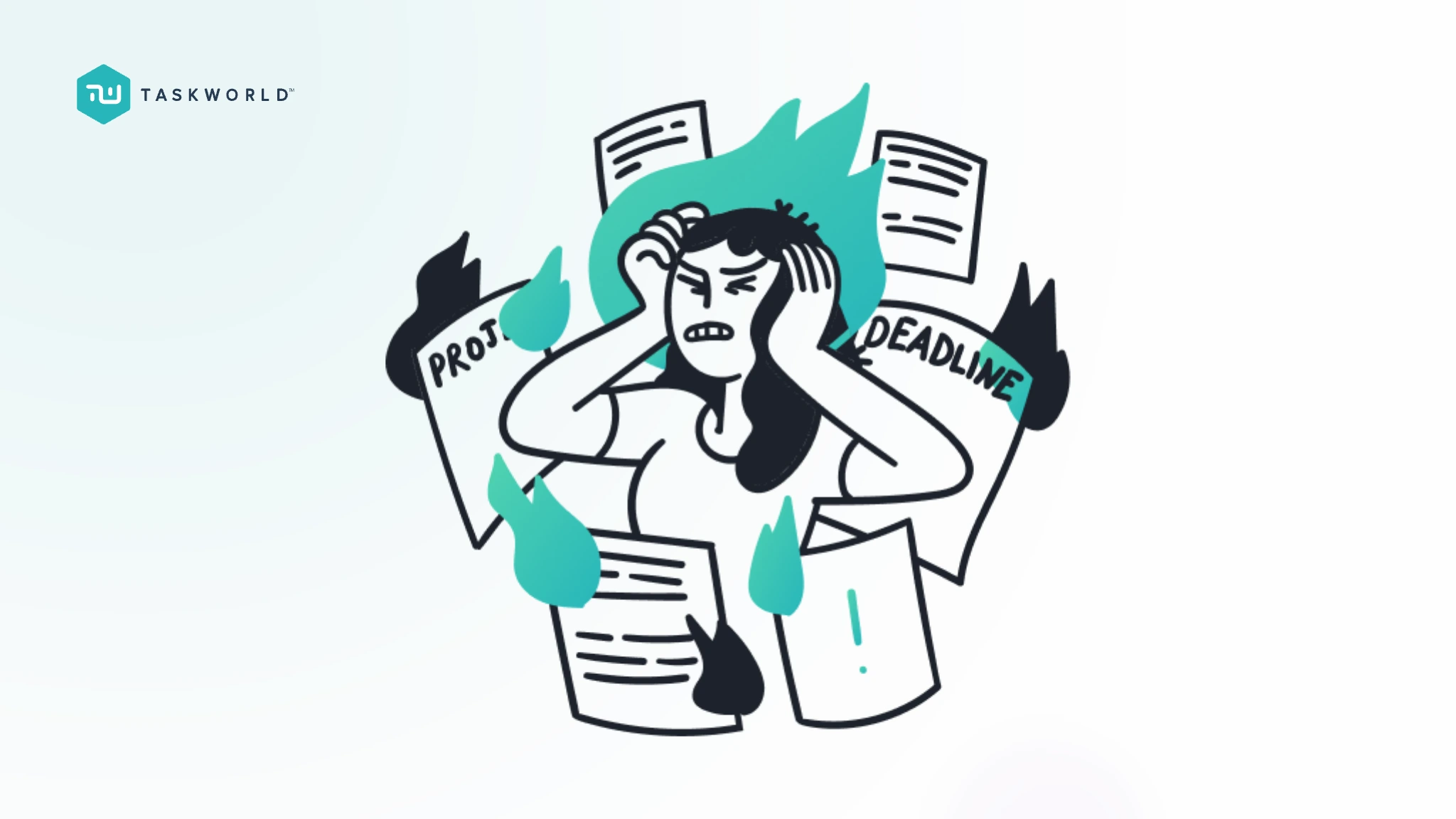
We've all seen it: a team that's busy from 9 to 5, hitting deadlines, closing tasks — and still somehow falling short of what actually matters. Projects get delivered but goals don't move. Everyone is working hard, but the organization isn't getting anywhere fast.
The problem isn't effort. It's alignment.
In 2026, "productivity" has been redefined. It's no longer about how much you do — it's about whether what you're doing connects to why the organization exists. Alignment is the new productivity, and most tools built to help teams work better haven't caught up yet.
What Is Alignment in the Workplace?
Alignment, in the context of work management, means that every task, project, and team priority maps clearly to a broader organizational goal. It's the thread that runs from the CEO's strategy down to the individual contributor's daily to-do list.
When alignment is strong, teams know exactly how their work contributes to the bigger picture. When it's weak — even if everyone is productive in isolation — the collective output adds up to less than the sum of its parts.
The concept isn't new. But the urgency is. According to Gallup, only 22% of employees strongly agree that their company's leadership has a clear direction for the organization. In other words, most people are working in the dark.
Why Productivity Alone Isn't Enough Anymore
The traditional productivity playbook — to-do lists, time blocks, task completion rates — was built for a different era. It assumes that doing more is the goal. But modern organizations don't fail because people aren't busy enough. They fail because effort gets scattered across priorities that don't compound.
Think of it this way: a team that completes 100 tasks in the wrong direction is less valuable than a team that completes 50 in the right one. Volume without direction is just noise.
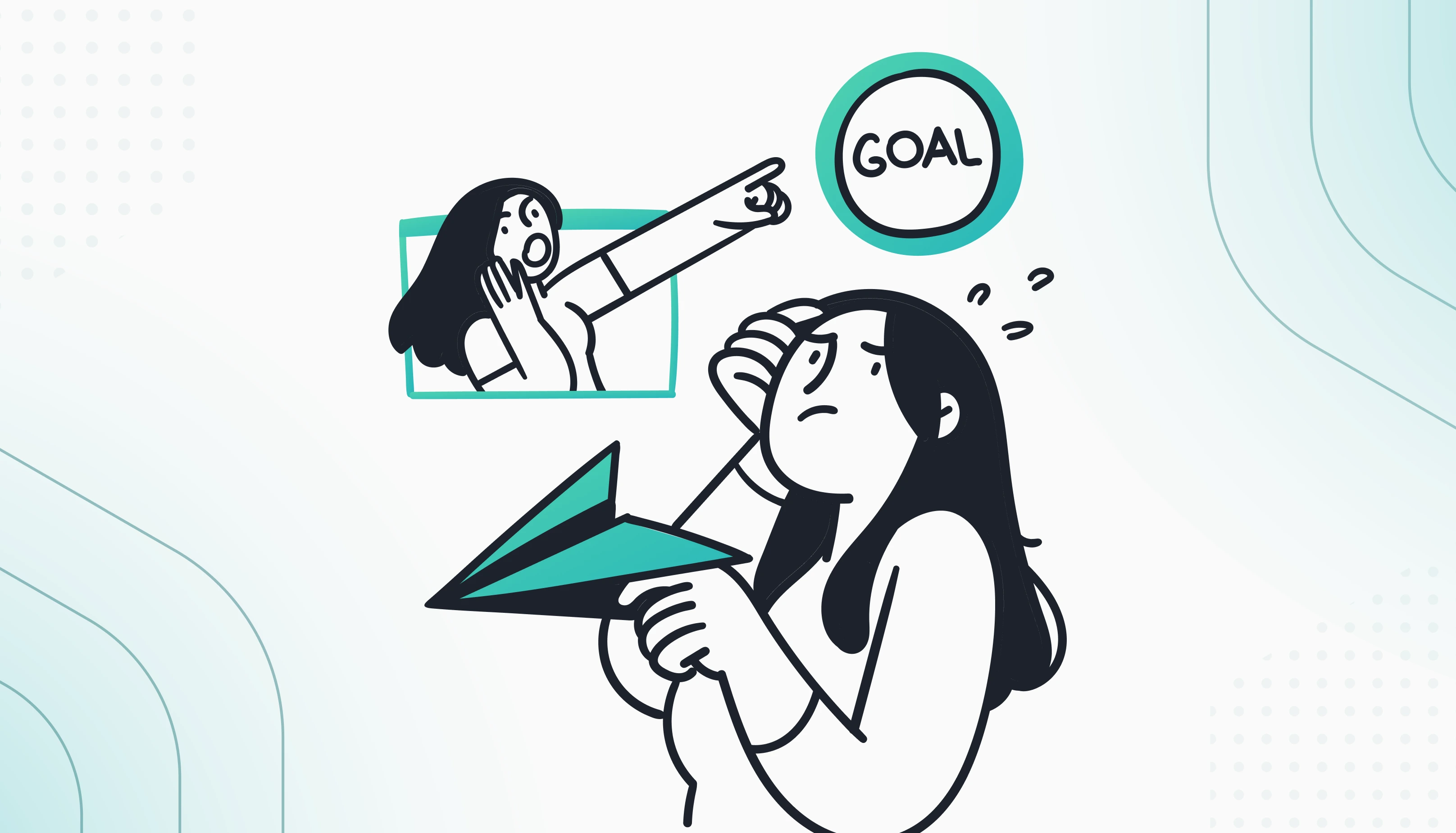
This is particularly visible in hybrid and distributed teams, where visibility into what everyone is doing — and why — is already limited. When team leads can't see how work connects to strategy, and contributors can't see how their tasks fit into the larger mission, alignment breaks down silently. No one notices until it's too late.
How Most Tools Still Miss the Point
Here's the uncomfortable truth: most work management tools are still solving for the old problem.
They track tasks. They measure completion rates. They visualize workloads. And they do it well. But they treat work as a flat list of things to finish — not as a hierarchy of intent.
The result is that teams get better at executing in silos. The engineering team hits its sprint velocity. Marketing delivers its campaign calendar. Finance closes the month on time. But when you zoom out, those streams of activity aren't pointing in the same direction. There's no connective tissue between individual output and organizational outcomes.
Alignment requires more than a task list. It requires:
- Visible goal structures — so every team can see how their work ties to company-level objectives
- Cross-team transparency — so dependencies and shared priorities don't fall through the cracks
- Real-time progress signals — so leaders can course-correct before misalignment compounds
- Accountability at every level — not just whether a task was completed, but whether it moved the right needle
Most tools offer some of these. Very few connect all of them in a way that makes alignment feel natural rather than like extra overhead.
What Aligned Teams Actually Look Like
Aligned teams aren't necessarily bigger, better-staffed, or better-resourced. They're clearer. They spend less time in status update meetings because visibility is built into how they work. They make faster decisions because the criteria for "does this matter?" is always visible. And they're more resilient — when priorities shift, they can realign quickly instead of starting from scratch.
The shift from "are we productive?" to "are we aligned?" changes the questions leaders ask. Instead of "how many tasks did we close this week?", they ask "are we moving toward the right outcomes?". Instead of "who's the bottleneck?", they ask "where is the mission unclear?".
That shift in questioning is what separates high-performing organizations from busy ones.
Conclusion
Productivity was always a proxy metric. What we actually care about is impact — whether the work being done is the work that matters. Alignment is what makes the difference.
The teams that will outperform in the next few years won't be the ones with the fastest task throughput. They'll be the ones where every contributor understands the mission, every project traces back to a goal, and every manager has the visibility to see — in real time — whether they're on track.
That's a harder problem to solve than building a task list. But it's the right problem to solve.
Taskworld is built with this in mind. With structured goal hierarchies, cross-team dashboards, and real-time task transparency, it gives every level of your organization the visibility needed to stay aligned — not just active.
Stop Managing Tasks. Start Managing Direction.
Taskworld connects your team's daily work to your organization's real goals — so you're always moving forward, not just staying busy.