What is Productivity Theater? How to Spot It and Stop It on Your Team
We have all done it at least once. The green dot stays on a little longer than it needs to. A reply gets sent at 9:47 p.m. so someone notices the timestamp. A status update gets padded because the work itself moved slowly this week.
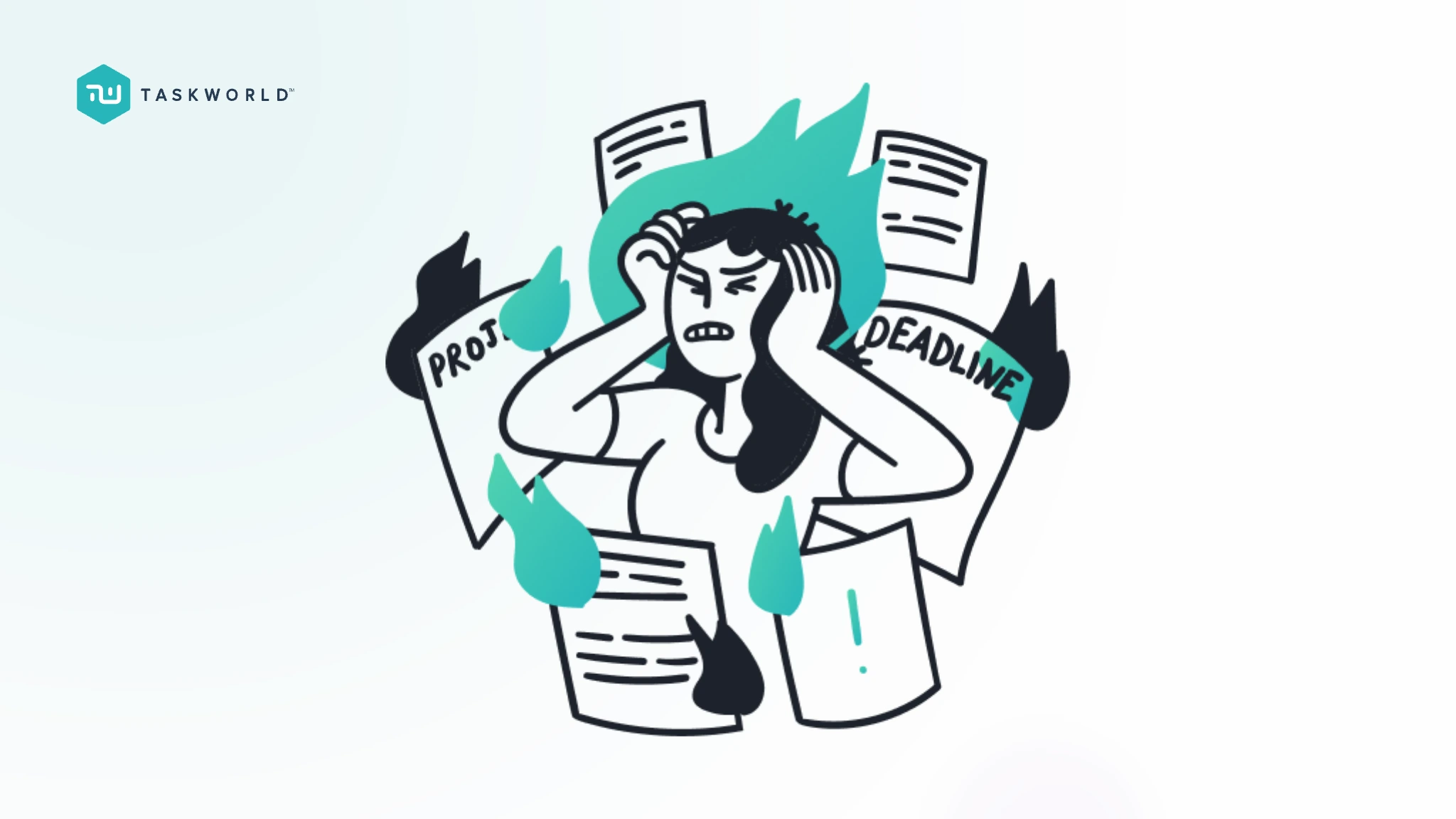
None of that is laziness. It is the opposite. It is effort spent proving you are working instead of working, and it has a name: productivity theater.
Slack's Workforce Lab research found that desk workers spend roughly a third of their time on performative work, tasks done to look productive rather than to produce anything. Asana's Anatomy of Work Index points at the same problem from another angle: most of the average day goes to "work about work" instead of the actual job.
In this article, we will explain what productivity theater is, why teams drift into it, and five practical ways to shut it down without turning into a surveillance culture.

What Is Productivity Theater?
Productivity theater is any visible activity that signals effort without creating value. The audience is a manager, a client, or a team that has no other way to see whether work is happening.
Think of the classic examples. The 40-slide deck for a decision that needed one paragraph. The weekly status meeting where everyone reads out what they already wrote down. The "just circling back" email chain. The always-on chat presence maintained through a lunch break.
The tell is simple. If the activity disappeared tomorrow and no customer, colleague, or deliverable would notice, it was theater.
Why It Happens (And Why It Is Not the Employee's Fault)
Theater grows in low-visibility environments. When leaders cannot see progress, people manufacture proof of it. The behavior is rational: if being seen working is what gets rewarded, being seen working is what you optimize for.
Hybrid and remote setups raised the stakes. Away from the office, presence is no longer obvious, so people over-signal to compensate. Microsoft's Work Trend Index has repeatedly found a gap between how productive employees feel and how productive their leaders believe they are. That gap is the exact space theater fills.
The cost is real. Every hour spent performing is an hour not spent on focused work, and it crowds out the deep thinking that actually moves projects forward.
Productivity Theater vs. Genuine Communication
This is the distinction that matters, because the wrong fix does more damage than the problem.
Genuine communication reduces uncertainty for someone else. A short note explaining why a deadline shifted saves three people from guessing. That is not theater, that is the job.
Theater adds noise without reducing uncertainty. A meeting whose entire content could have been a written update is theater. A written update nobody reads because there is no shared record of decisions is also theater.
The test: does this communication help someone make a decision they could not make before? If yes, keep it. If no, cut it.
5 Ways to Stop Productivity Theater on Your Team
1. Make progress visible by default. People perform because they assume nobody can see the work. When project status is visible in one shared place, the performance becomes unnecessary. This is the single highest-leverage fix.
2. Measure outcomes, not activity. Stop rewarding response speed, message volume, and hours logged. Ask what shipped, what moved, and what got unblocked. If your praise is aimed at effort signals, you are paying for theater.
3. Kill the status meeting. If a recurring meeting exists so people can report what they did, replace it with a written update and give the hour back. Keep meetings for decisions, disagreements, and problems that need real discussion.
4. Name a default response time. A lot of theater is anxiety about looking unresponsive. Say out loud that chat is not urgent and that a reply within a working day is fine. Ambiguity is what keeps people glued to the green dot.
5. Model it from the top. If a leader sends messages at midnight and celebrates being busy, no policy will fix the culture. Teams copy what they see rewarded, not what they read in a handbook.
Conclusion
Productivity theater is not a discipline problem. It is a visibility problem wearing a discipline costume.
When people trust that their work is seen, they stop spending energy on proving it. That energy goes back into the work itself, which is where you wanted it in the first place. The fix is structural, not motivational: give the team one honest, shared view of what is happening and the performance loses its audience.
That is where a work management platform earns its place. With Taskworld, task ownership, deadlines, priorities, and progress all live in one visible workspace, and integrated chat keeps conversations attached to the work instead of scattered across inboxes. Managers get real-time visibility without looking over anyone's shoulder, and teams get to stop performing and start delivering.
Cut the Busywork, Keep the Work
Give your team one clear view of what is actually moving, so nobody has to prove they are busy.