The Hidden Cost of Context-Switching Across Departments
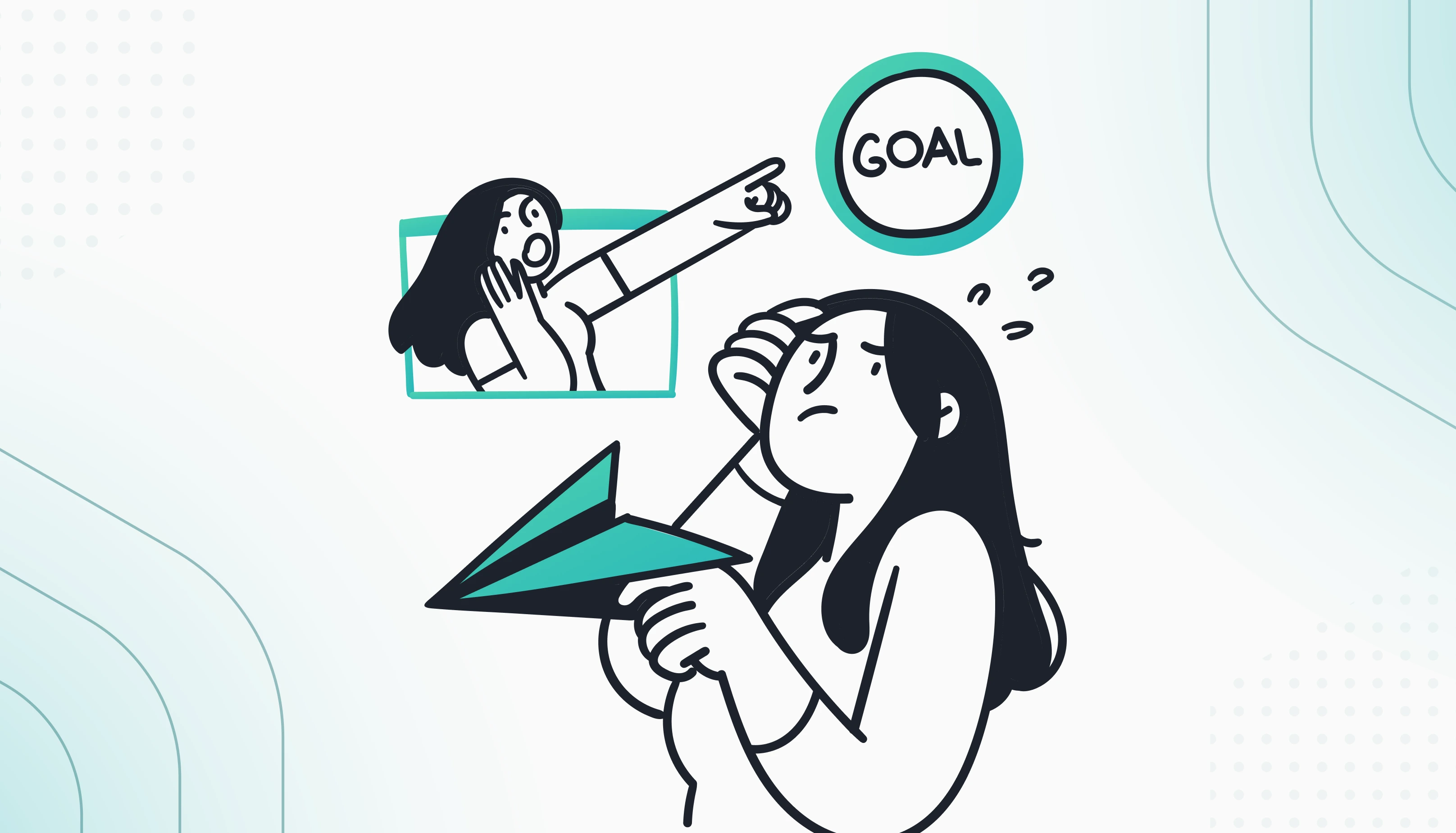
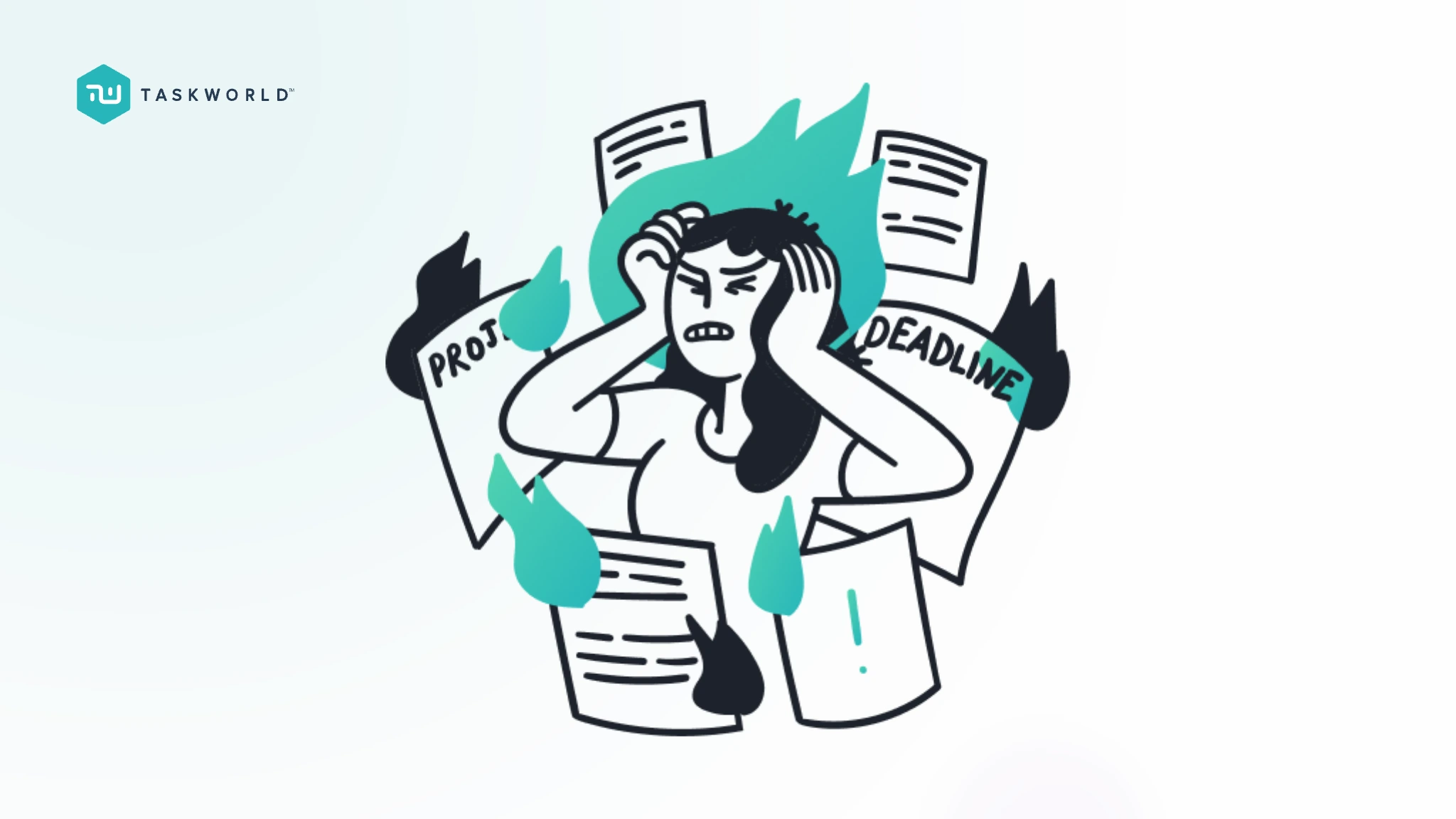
You start the morning on a marketing campaign brief. Ten minutes in, Finance pings you about a budget code. Then Legal needs a clause reviewed. Then Operations asks for a status update on something you handed off two weeks ago. By lunch you have touched five departments and finished none of your own work.
Nothing on that list was unreasonable. Each request took only a few minutes. Yet the day is gone, and the campaign brief is still a blank page.
This is context-switching, and in large organizations it is rarely counted as a cost. It hides inside calendars, inboxes, and chat threads. In this article, we will break down what cross-departmental context-switching actually costs, why it gets worse as companies grow, and what leaders can do to reduce it.
What Is Context-Switching?
Context-switching is the act of shifting your attention from one task to another before the first one is complete. The term comes from computing, where a processor saves the state of one process so it can load another. Human brains do something similar, except we are far less efficient at it, and we do not restore the saved state perfectly.
Research from Dr. Gloria Mark at the University of California, Irvine found that it takes an average of 23 minutes and 15 seconds to return to a task after an interruption. Her later work found that knowledge workers now switch screens roughly every 47 seconds during a typical workday.
The important part is not the interruption itself. It is the residue. Part of your attention stays attached to the previous task, so the work you return to gets a diminished version of you.
Why Cross-Departmental Switching Costs More
Switching between two of your own tasks is expensive. Switching between two departments is worse, and for three reasons.
Different vocabularies. Marketing talks in campaigns and impressions. Finance talks in cost centers and accruals. Every hop forces a mental translation before you can even begin the work.
Different tools. Harvard Business Review reported on a study of 137 users that recorded around 1,200 app switches per day, adding up to roughly four hours a week just reorienting after toggling between applications. That is nearly five working weeks per employee, per year.
Different definitions of "done." A task that Operations considers complete may still be open for Compliance. So the same piece of work gets revisited, re-explained, and re-approved.
Combine the three and a five-minute cross-departmental request routinely costs half an hour of real capacity.
Why It Gets Worse as Organizations Scale
In a 20-person company, everyone can see everyone's work. Coordination is free because context is shared.
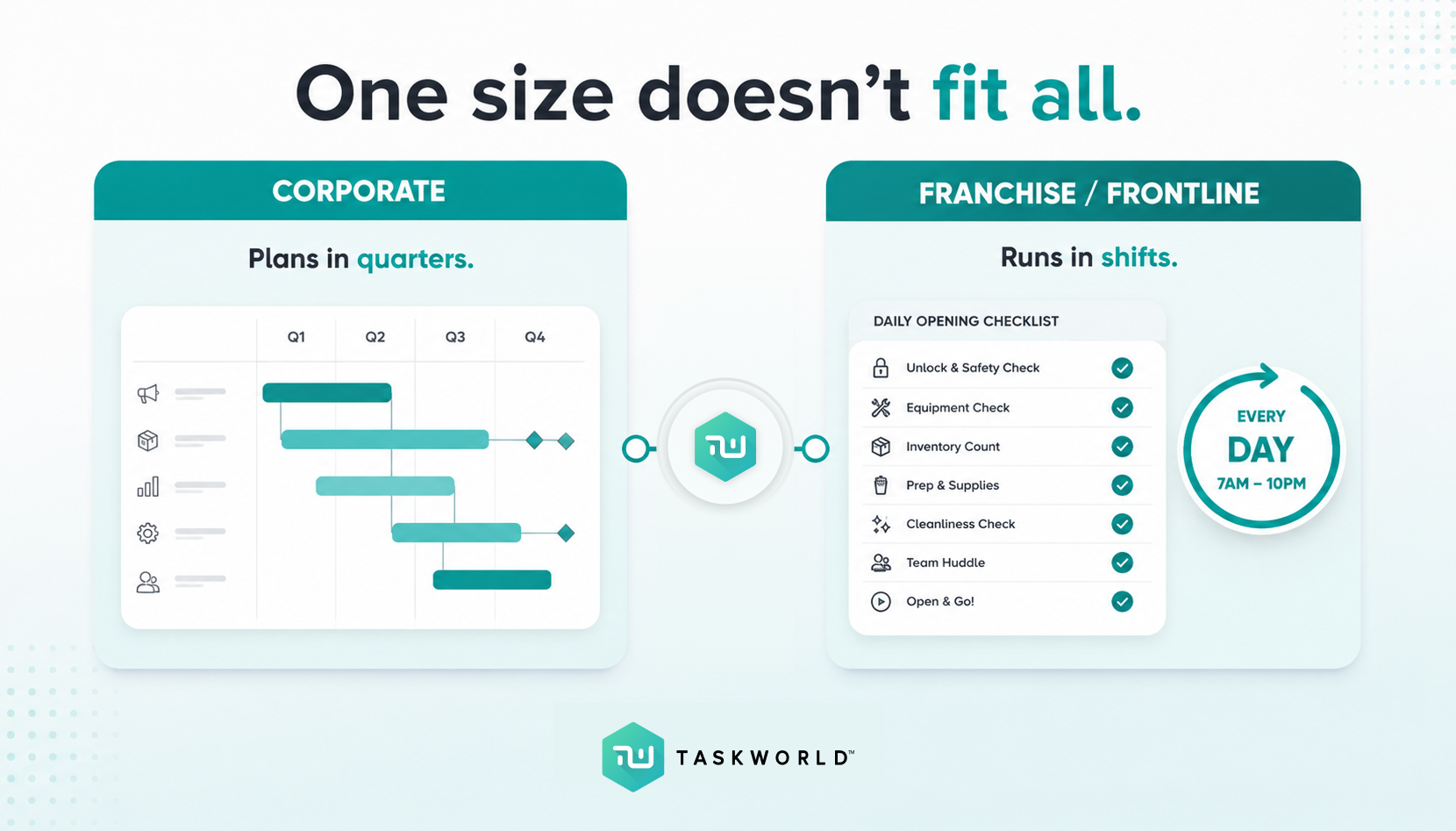
At 2,000 people, context is fragmented across business units, regions, and systems. Each department adopts the tool that fits its own workflow. Each builds its own naming conventions and its own reporting rhythm. None of it is wrong in isolation.
The result is that the coordination work does not disappear. It gets pushed onto individuals, who absorb it as pings, status meetings, and "quick syncs." The larger the organization, the more of each person's week is spent explaining work rather than doing it.
5 Ways to Reduce Cross-Departmental Context-Switching
1. Make work visible before it becomes a question. Most cross-departmental interruptions are requests for status, not requests for help. If the status is visible in a shared workspace, the interruption never happens.
2. Agree on one shared definition of a task. Departments can keep their own processes, but the unit of work, its owner, its due date, and its status should mean the same thing everywhere. Ambiguity here is what generates the follow-up messages.
3. Batch cross-team requests into windows. Instead of responding to other departments continuously, set defined windows for handling them. Protect the rest for focused work. Teams that do this consistently report fewer late deliverables, not more.
4. Reduce the number of places work lives. Every additional tool is another place to check and another translation to perform. Consolidating project communication and task tracking into one platform removes an entire category of switching.
5. Measure handoffs, not just output. Ask where work waits between departments. The bottleneck is almost never inside a team. It is in the gap between two of them, and that gap is invisible unless you deliberately track it.
Conclusion
Context-switching is not a personal discipline problem. Telling people to focus harder does nothing when the organization is built so that focus is impossible. It is a structural problem, and structural problems need structural fixes.
The good news is that the fix is not a reorganization. It is visibility. When every department can see the same work, in the same place, with the same status, most interruptions stop being necessary.
Taskworld gives enterprise organizations that shared view. Its HQ and business unit structure lets each department keep the workflow it needs while leadership sees everything in one place. Integrated chat keeps conversation attached to the task it belongs to, so context travels with the work instead of scattering across inboxes.
Give Your Teams Their Focus Back
Taskworld brings work from every department into one shared, visible platform, so your teams spend less time explaining work and more time completing it.